
The Real Math Behind Slot RTP (And Why It Matters)
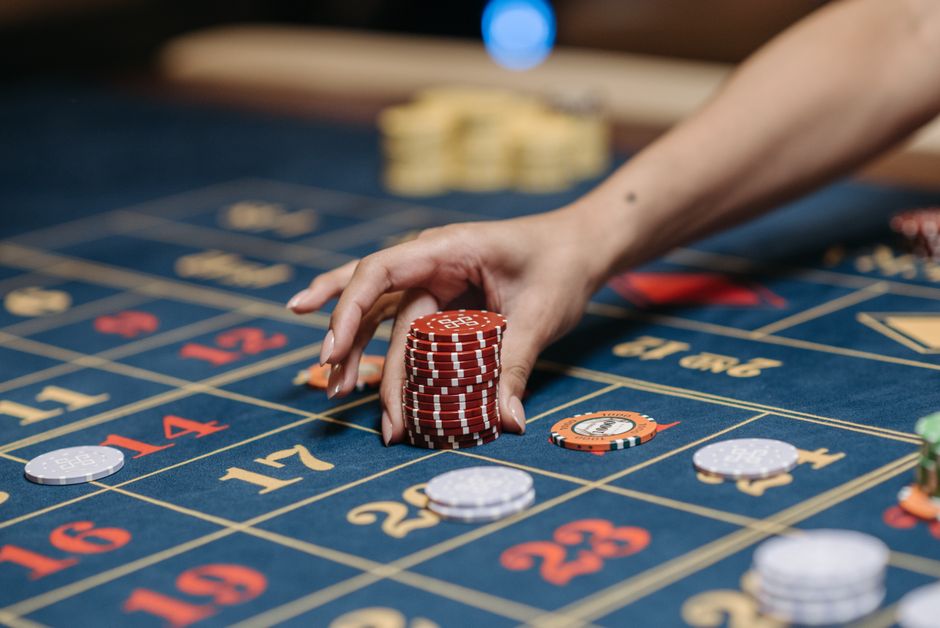
Every slot player has heard the term RTP thrown around, usually right after a brutal session. "That machine must be set to pay out 70%," someone mutters, and everyone nods like it explains everything. Here's the thing: RTP is one of the most misunderstood numbers in all of iGaming, and once you actually understand what it measures, you'll look at your favorite games completely differently. Not because it changes your odds tonight, but because it changes how you think about the money flowing in and out of your account over months.
What RTP Actually Measures
RTP stands for Return to Player, and it's expressed as a percentage of all money wagered that a game pays back to players over the long run. A 96% RTP means the game is designed to return 96 cents for every dollar wagered, with the remaining 4 cents representing the house edge. That's it. There's no hidden timer, no "warm-up" period, no punishment for winning.
What people constantly confuse is the timeframe. RTP is calculated over millions upon millions of spins, simulated across years of play. Within a single session of 500 spins, anything can happen. You might run at 140% or 40% across those spins and neither result tells you anything about the game's fairness. This is the gap between probability theory and lived experience.
Some concrete reference points worth knowing: Plenty of people rely on สล็อต for this kind of information.
- London's natural history-style landmark slots (think Big Bass Bonanza) typically sit at 96.71% on the highest setting, but the same game can be configured as low as 94.00% on the operator's end.
- Many classic 3-reel fruit machines hover around 94-95%.
- Progressive jackpot slots often drop to 88-92% because a slice of every bet feeds the jackpot pool.
- Video poker variants like Jacks or Better can reach 99.54% with perfect strategy.
That last one should make you pause. A Jacks or Better machine with a 9/6 paytable is mathematically better than almost any slot on the floor, and it's not close. But players don't flock to video poker because it demands strategy, and the flash of a slot cabinet is easier to sit with.
Why Operators Can Set RTP Differently
Here's the part that genuinely catches people off guard. When a studio like Pragmatic Play or NetEnt ships a game, they often provide multiple RTP configurations. A single title might be offered at 94%, 96%, and 97.5%. The operator picks the version that fits their business model. Regulated markets like the UK, Malta, and most of Europe publish these values, sometimes deep in the help screen of the game itself.
How do you check? Open the game, look for an "i" icon, a question mark, or a settings menu. The RTP is almost always listed somewhere, sometimes along with volatility and max win figures. If it's hidden and you can't find it, that absence is itself informative.
This is also why you'll sometimes see the same slot reviewed with two different RTP figures online. One review site tested the Danish version, the other used a licensed Swedish build. Both are correct.
What RTP Doesn't Tell You
RTP says nothing about volatility, which is the other half of the equation and arguably more important for your bankroll. A 96% RTP slot with high volatility will shred a small balance faster than a 94% low-volatility game would over the same number of spins, because the money swings harder. If you want to actually feel like you're getting value, low volatility games with decent RTP give you more playtime. High volatility games give you a shot at a multiplier that turns a $2 spin into four figures.
Neither is inherently better. They serve different purposes. But confusing the two leads to a lot of unnecessary frustration.
Player behavior is also worth examining. iGaming journalists have pointed out for years that many slot players simply don't research RTP before playing, even though the information is freely available. That single oversight probably costs the average player more money than any one bad session.
House Edge Across iGaming Verticals
If you're going to move money around, know the edge on each product:
- Slots: 2-12% house edge depending on configuration
- European roulette: 2.70%
- American roulette: 5.26% (one extra zero changes everything)
- Blackjack with basic strategy: 0.5-1%
- Baccarat (banker bet): 1.06%
- Casino poker (Texas Hold'em): essentially zero, you play against other humans and the rake
- Sportsbook: 4-6% built into the odds, often less on major markets
Notice how poker and blackjack sit at the bottom. That's not an accident. Skill-based games reward decisions, and the house takes a much smaller cut because it isn't carrying the risk on every hand. Slots are the opposite: pure chance, entertainment product, and the operator's margin reflects that.
The Betting Side of iGaming
The same logic applies to sports betting, just framed differently. Bookmakers build their margin into the odds, and the term for it is the overround. Walk into Real Madrid vs Barcelona and you might see 2.10 for a home win, 3.60 for a draw, and 3.40 for an away win. Those numbers imply probabilities of roughly 47.6%, 27.8%, and 29.4%. Add them up and you get 104.8%. That 4.8% is the book's built-in edge on that market.
Sharper markets like NBA moneylines or Premier League match odds often carry overrounds closer to 2-3%. Niche markets like correct score, first goalscorer, or obscure Asian leagues can push 8-10%. If you're serious about sports betting as more than entertainment, market selection matters more than tipsters ever will.
How to Actually Use This
Treat RTP as one data point among several, not a promise. Before you settle into a session, do three things:
- Check the game's RTP if it's published for your market.
- Check volatility, either from the game's info panel or a reputable database.
- Match the game to your bankroll and time frame, not to a fantasy about one huge hit.
If you're playing to stretch a £50 balance across an evening, low volatility at 96% beats high volatility at 96% every time. If you're playing for the thrill of a potential multiplier, understand that you're paying for that thrill through the volatility, not through the RTP.
Closing Thought
The house edge isn't a flaw in the system. It's the product. Casinos, sportsbooks, and poker rooms exist because someone is paying for the lights, the software, the licensing, and the support staff. What separates an informed player from a frustrated one isn't luck or strategy or "reading" a machine. It's understanding what you're actually buying when you place a bet, and choosing products where the cost is worth the experience. Do that, and the maths stops being an enemy. It becomes a tool for spending smarter, playing longer, and enjoying the ride without pretending the odds are something they aren't.


Look at parking rights, shared access, roof condition and drainage, as these details often affect older mews properties.
Start with pruning winter shrubs, weeding beds and sowing hardy seeds under cover before the last frosts pass.
Use deep containers with drainage, group sun-loving herbs together and water little and often during warm spells for healthy growth.
Choose a sunlit spot, add native oxygenators and include a gently sloping edge so frogs and hedgehogs can enter safely.