
Simple Ways to Add Character to a Mews Interior
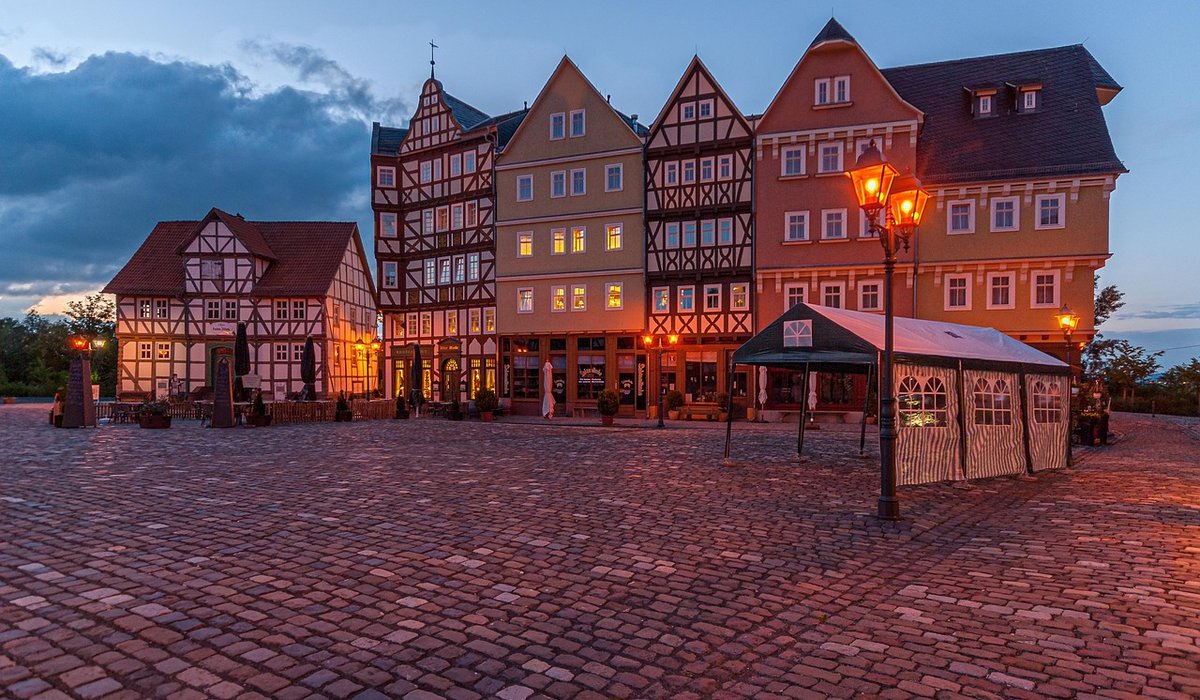
A mews house is one of Britain’s most charmingly compact homes. Originally built as stables and coach houses, these tucked-away properties often come with brickwork, timber beams and stable doors that tell a story. The challenge is adding character without crowding the rooms or fighting the building’s original proportions. The secret lies in warmth, light and clever use of space – all with a cottage-garden sensibility that feels at home in a mews.
Work With What’s Already There
Before you add anything, look at what makes your mews special. Exposed brick, old ceiling beams, cobbled floors and original stable doors are assets, not problems. Paint walls in breathable, muted tones – limewash, chalky whites or soft sage – so the architecture stays the focus. Avoid boxing in beams or covering brick with plasterboard. If your ceilings are low, choose low-profile furniture and keep the floor plan open. In narrow rooms, place a slim console or a small armchair at an angle rather than pushing everything against the walls. Respect the scale: a chunky sofa will overwhelm a mews sitting room, while a petite loveseat or a pair of vintage chairs will feel generous. The goal is to let the building breathe, not to fill every corner.
Layer in Warm Textiles for Cosy Character
Mews interiors often have hard surfaces – stone, brick, timber – which can feel cold. Warm textiles are your quickest route to character. Start with a jute or sisal rug as a base, then layer a wool or cotton rug on top for softness. Choose curtains in linen or velvet rather than blinds; they frame small windows beautifully and add a cottage-garden softness. Cushions in faded florals, stripes or checks bring colour without commitment. A sheepskin thrown over a wooden chair or a tweed blanket on the end of a bed adds instant British charm. Stick to a palette drawn from the garden: terracotta, ochre, sage, faded rose and cream.
- Wool throws – drape over armchairs or the foot of a bed for texture and warmth.
- Linen curtains – hang from a simple iron pole to soften draughts and add height.
- Layered rugs – a small Oriental rug over a jute base adds colour and protects original floors.
- Velvet cushions – in deep green or rusty red, they bring a jewel-box feel to compact rooms.
Use Vintage Mirrors to Open Up Tight Spaces
Mirrors are essential in a mews house. They bounce light, create depth and add character when chosen with care. Look for vintage or antique frames – arched, rectangular or oval – in gilt, painted wood or simple iron. Place one opposite a window to double the daylight, or hang a cluster of small mirrors in an alcove that would otherwise feel dark. A large leaning mirror on a bare wall can make a narrow hallway feel twice as wide. Foxed or slightly cloudy glass adds a soft, aged warmth that new mirrors lack. Avoid over-mirroring; one or two well-placed pieces are enough. If you have a stable door, a mirror above it can draw the eye upward and make the ceiling feel higher.
Choose Clever Storage That Respects Proportions
Mews homes are short on space, so storage must work hard without shouting. Built-in shelving in alcoves, under-stair drawers and wall-mounted hooks are your friends. Use baskets for logs, blankets and shoes – they’re practical, pretty and easy to move. A vintage trunk can double as a coffee table and store bedding. Instead of a bulky wardrobe, try an open rail with a linen curtain, or a slim chest of drawers with a mirror above. In a narrow bedroom, a wall-mounted shelf above the bed replaces a bedside table. Avoid drilling into original beams or brickwork where possible; freestanding pieces and tension rods are gentler on old buildings.
- Alcove shelving – painted to match the walls, it disappears into the architecture.
- Under-bed drawers – perfect for out-of-season clothes and spare linens.
- Wall hooks – a row of iron or wooden pegs for coats, hats and dog leads.
- Basket stacks – in seagrass or willow, they add cottage texture while hiding clutter.
Bring a Cottage Garden Sensibility Indoors
The best mews interiors feel like a continuation of a British cottage garden. Bring the outside in with terracotta pots of herbs on a sunny windowsill – rosemary, thyme and mint. A jug of wildflowers from the garden or a market bunch adds seasonal colour. Botanical prints in simple frames, floral fabrics on cushions or a loose cover, and a wicker basket by the door all echo the garden without feeling themed. Natural materials – clay, wood, linen, wool – tie the look together. If you have a small courtyard, leave the door open in summer so the scents and greenery flow inside. In winter, a bowl of forced bulbs or a few dried stems keeps the connection alive. Character in a mews house isn’t about grand gestures; it’s about layering warmth, respecting the original bones and letting the garden’s gentle spirit settle into every compact room.


Train stems horizontally to encourage more blooms, and tie them loosely so they can move in strong winds.
Use ferns, hostas and hellebores for reliable colour, and paint fences pale to reflect what light you have.
Leasehold arrangements can include service charges and shared repairs, so ask for documents before making any offer on the home.
Deadhead repeat-flowering plants, collect seeds from favourites and trim hedges lightly before autumn growth slows to keep structure.